Elevate Your Landscape: The Enduring Beauty of Boulders as Retaining Walls
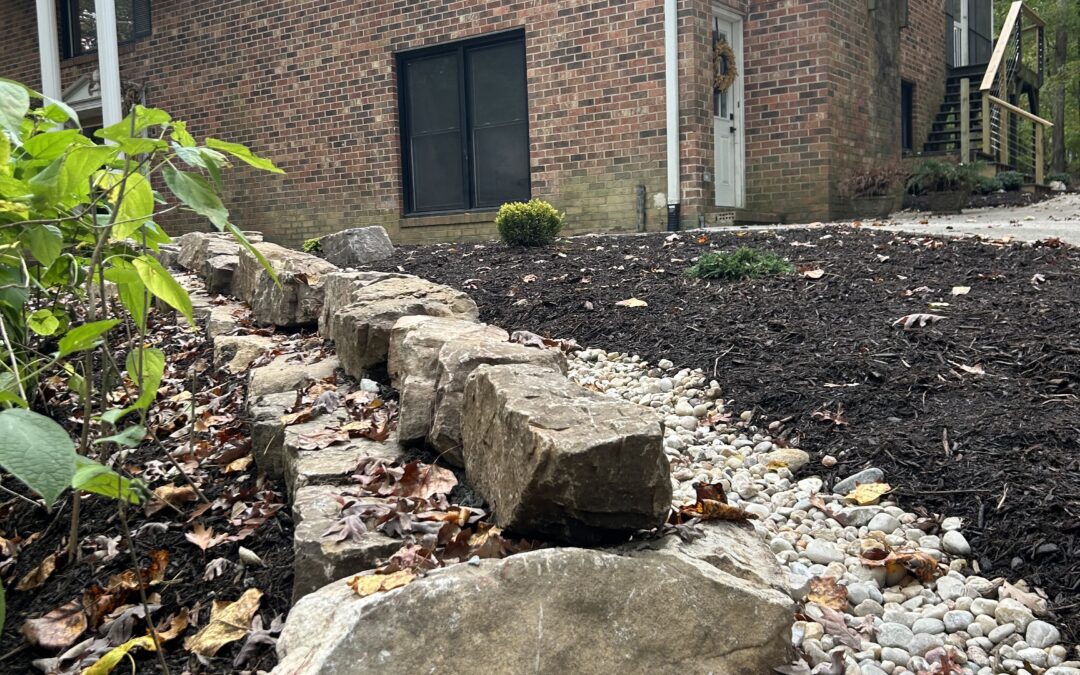
Transforming your outdoor space into a sanctuary of natural beauty and functionality often begins with foundational elements. Among the most striking and durable choices for landscape enhancement are boulders as retaining wall structures. These majestic natural stones not only serve a critical purpose in managing slopes and preventing erosion but also infuse a timeless, organic aesthetic that manufactured materials simply cannot replicate. When properly installed, a boulder retaining wall can last anywhere from 50 to 200 years, enduring weather and time without significant degradation.
For homeowners in Charlotte, NC, and the surrounding Carolina regions, considering retaining and seating walls is a significant step towards creating a truly exceptional outdoor living environment. Mr. Outdoor Living specializes in crafting these enduring features, ensuring both structural integrity and breathtaking visual appeal.
Why Choose Boulders for Your Charlotte Retaining Wall Project?
The decision to utilize boulders for your retaining wall project in the Charlotte area offers a myriad of benefits that align with enhancing property beauty, functionality, and value. Unlike traditional concrete block walls, boulders provide a unique, natural look that seamlessly integrates with the existing landscape. Here are compelling reasons why boulders stand out:
- Exceptional Durability: Boulders are inherently strong and resistant to environmental pressures, offering superior longevity compared to many other materials. They withstand harsh weather conditions, from freezes to floods, without the degradation seen in timber or concrete block alternatives.
- Natural Aesthetics: Each boulder possesses unique textures, colors, and shapes, contributing to a one-of-a-kind wall that adds character and a sense of permanence to your property. This organic style blends effortlessly with the outdoor environment, creating stunning retaining walls.
- Low Maintenance: Once expertly installed, boulder retaining walls require minimal upkeep, freeing you from concerns about rotting, cracking, or constant repairs.
- Eco-Friendly Choice: Opting for natural stone, especially locally sourced boulders, is an environmentally conscious decision. It reduces the energy consumption associated with manufacturing and transportation, minimizing the project’s carbon footprint.
- Superior Erosion Control: Boulders effectively stabilize slopes and manage water runoff, preventing soil erosion and creating usable, level areas from sloped terrain. This is particularly beneficial for properties with challenging topography.
For a comprehensive look at how these walls compare, explore the pros and cons of boulder walls versus traditional retaining walls.
Expert Planning: Laying the Groundwork for Your Boulder Retaining Wall
A successful boulder retaining wall project, particularly in the diverse landscapes of the Carolinas, hinges on meticulous planning. This crucial initial phase ensures that your wall is not only aesthetically pleasing but also structurally sound and compliant with local regulations.
Key planning considerations include:
- Site Assessment: A thorough evaluation of your landscape’s topography, soil conditions, and potential drainage issues is paramount. Understanding the natural contours of your property allows for a design that takes advantage of existing features and integrates additional elements like water features or patios.
- Permits and Regulations: For structural retaining walls, especially those over 4 feet in height, obtaining necessary permits and engineered plans is typically required. Ignoring these can lead to costly fines or forced removal. Professionals possess the knowledge of local codes in areas like Charlotte, ensuring your project proceeds smoothly.
- Material Calculation: Accurate measurement of your wall’s dimensions (height, length, and thickness) is essential for calculating the required amount of stone. It’s often wise to order 10-20% extra material to account for irregular shapes and any unforeseen needs.
- Professional Consultation: While smaller, decorative walls might be a feasible DIY project, structural walls holding back significant soil or exceeding 3-4 feet in height demand professional expertise. Experts understand soil mechanics, hydrostatic pressure, and the safe operation of heavy equipment necessary for moving large boulders. They ensure the wall is built correctly the first time, preventing future failures and costly repairs.
Proper attention to these details, as highlighted in guides for building boulder retaining walls, ensures a durable, low-maintenance structure that will last for years to come.
Selecting the Perfect Stone: Types, Sourcing, and Costs for Your Boulder Wall
The character of your boulder retaining wall is largely defined by the stone you choose. Understanding the available types, where to source them, and the associated costs will help you make an informed decision for your Charlotte outdoor living space.
Types of Boulders
A variety of natural stones can be used to construct a boulder retaining wall, each offering distinct visual and structural properties:
- Fieldstone Boulders: These are collected from the earth’s surface and riverbeds. They often feature natural weathering, moss, and irregular shapes, offering an authentic, rustic look. Their unique contours require skilled placement but contribute to a truly one-of-a-kind wall.
- Quarry Boulders: Excavated from rock quarries, these boulders tend to have more angular faces and flatter planes, making them somewhat easier to stack into stable, interlocking patterns. They offer a more structured, yet still natural, appearance.
- River-Washed Rocks: Smoothed and rounded by constant water flow, river rocks are beautiful for accents or dry creek beds, but their rounded surfaces typically don’t interlock as securely, making them less ideal for tall structural retaining walls.
Other popular choices include granite, sandstone, limestone, and basalt, each with its own color range and benefits, as detailed in various boulder types guides.
Sourcing and Costs
The cost of boulders and their installation can vary significantly. Factors influencing the total price include:
- Size and Quality: Larger boulders, especially those over 36 inches, are more challenging to quarry and transport, commanding higher prices. High-quality, smoother boulders also tend to be more expensive.
- Stone Type: Local availability plays a crucial role. Boulders quarried close to your Charlotte property will generally be more cost-effective due to reduced transportation fees.
- Quantity: Suppliers often price boulders by the ton, though smaller ones may be priced by the cubic yard or pallet.
- Delivery Fees: Given their weight, delivery costs for landscaping boulders can range from $50 to over $400, depending on distance and total weight.
- Installation Labor: Professional installation involves skilled labor and heavy equipment like excavators or skid steers, which adds to the overall cost. Expect labor to be a significant portion of the expense.
- Site Preparation: Costs may increase for services like land clearing, excavation, or grading to ensure a stable foundation.
While costs can range from $2,000 to $10,000 or more for a boulder retaining wall, with an average around $6,000, the investment yields a durable and visually appealing landscape feature. Boulders can also be incorporated into curbing to define planting beds with natural elegance.
Building Your Boulders as Retaining Wall: A Step-by-Step Guide to Professional Installation
Constructing a functional and beautiful boulder retaining wall requires a methodical approach, emphasizing stability and proper drainage. For homeowners in Charlotte, NC, understanding the professional installation process ensures a long-lasting investment.
1. Site Preparation
The groundwork is paramount. This involves:
- Marking and Excavation: Clearly outline the wall’s path. Excavate a trench at least 6 inches deep and wide enough for the largest base boulders. For taller walls, the trench should be deeper, often half to two-thirds of the wall’s final height.
- Foundation: Lay a compacted base layer of crushed gravel (at least 4-6 inches deep). This provides a stable footing, distributes weight, and aids initial drainage. The base must be perfectly level to prevent future issues.
- Landscape Fabric: Install landscape fabric at the base of the trench and behind the wall to prevent weeds and soil from migrating into the drainage system.
2. Boulder Placement
This is where artistry meets engineering:
- Base Layer: Begin with the largest, flattest boulders, embedding them firmly into the prepared gravel base.
- Interlocking Pattern: Stack subsequent layers, offsetting the seams like brickwork. This interlocking pattern distributes weight and enhances stability. Use smaller stones or gravel to fill gaps between larger boulders, ensuring a tight fit.
- Batter (Backward Lean): Incorporate a slight backward slope (batter) into the wall. A general guideline is a 1-inch setback for every vertical foot of height. This lean helps the wall resist the hydrostatic pressure of soil from behind.
- Heavy Equipment: Moving and precisely placing multi-ton boulders necessitates heavy machinery such as excavators or skid steers, operated by trained professionals. This is critical for safety and structural integrity.
Expert tips on how to build a boulder retaining wall often emphasize avoiding common mistakes related to uneven boulders and improper backfill.
3. Drainage and Backfill
Effective water management is non-negotiable for a long-lasting retaining wall. Water accumulation behind the wall creates hydrostatic pressure, which can lead to failure.
- Drainage System: Install a perforated drainage pipe, wrapped in landscape fabric, at the base behind the first layer of boulders. This collects water.
- Drainage Gravel: Backfill the area behind the wall and around the drainage pipe with at least 12 inches of coarse gravel or crushed stone. This allows water to flow freely to the pipe and away from the wall.
- Soil Backfill: Add soil in gradual 8-inch lifts, compacting each layer thoroughly. This prevents settling and provides essential support to the wall.
Mr. Outdoor Living provides comprehensive drainage solutions to protect your investment.
4. Finishing Touches
Once the structure is complete, attention turns to aesthetics and final stability:
- Fill remaining gaps with smaller stones or gravel for a cohesive look and added stability.
- Landscape around the wall with plants or other vegetation to blend it seamlessly into your yard.
Maintaining Your Investment: Tips for Long-Lasting Beauty and Functionality
A properly installed boulder retaining wall is a testament to durability, often lasting for decades with minimal intervention. However, regular, simple maintenance can significantly extend its lifespan and preserve its aesthetic appeal.
To ensure your boulders as retaining wall continue to perform optimally and enhance your landscape:
- Regular Inspections: Periodically walk along your retaining wall, looking for any signs of shifting, bulging, or cracks. Pay attention to changes in the surrounding soil, as excessive erosion could indicate drainage issues.
- Keep it Clean: Remove any accumulating leaves, debris, or soil from the face and top of the wall. This prevents moisture retention and potential plant growth in crevices, which could compromise stability over time.
- Monitor Drainage: Ensure that your wall’s drainage system remains clear and functional. Check weep holes or drainage pipes for blockages and ensure water is flowing away from the wall’s base. Proper drainage is the most critical factor in the longevity of any retaining wall.
- Address Minor Issues Promptly: If you notice a loose stone or a small area of erosion, address it quickly. Small problems can escalate if neglected.
While boulders are known for their resilience, understanding Mr. Outdoor Living’s warranty information can provide peace of mind regarding the initial workmanship and installation of your retaining wall.
Common Questions About Boulders as Retaining Walls
Homeowners often have questions when considering boulder retaining walls. Here are answers to some of the most frequently asked questions:
How long do boulder retaining walls last?
When professionally designed and installed with proper drainage, a boulder retaining wall can last anywhere from 50 to 200 years. Their natural strength and resistance to erosion contribute to their exceptional longevity.
Are permits required to build a boulder retaining wall?
In many areas, including Charlotte, permits and engineering plans are typically required for retaining walls exceeding a certain height, often 3 or 4 feet. Always consult with your local municipal building department before starting construction to understand specific regulations.
Can I build a boulder retaining wall myself?
While small, decorative boulder walls (under 3 feet) might be suitable for experienced DIY enthusiasts, structural boulder retaining walls are best left to professionals. The immense weight of the boulders, the need for heavy equipment, and a thorough understanding of soil mechanics and drainage make professional installation crucial for safety and long-term stability.
What is the average cost of a boulder retaining wall?
The cost varies widely based on factors such as wall size, boulder type, site accessibility, and labor rates. On average, a boulder retaining wall can cost between $2,000 and $10,000, with larger or more complex projects reaching higher figures. Boulders themselves can range from $100 to $350 per ton.
Do boulder walls require a lot of maintenance?
Compared to other retaining wall types, boulder walls are relatively low maintenance once properly installed. Regular inspections for shifting stones and ensuring adequate drainage are the primary ongoing tasks.
Transform Your Outdoor Space with Mr. Outdoor Living’s Retaining Wall Expertise
Imagine a backyard where sloping terrain is transformed into beautiful, usable terraces, where soil erosion is a distant memory, and where your landscape exudes a robust, natural elegance. This vision becomes a reality with the expert design and installation of retaining and seating walls by Mr. Outdoor Living.
As Charlotte’s trusted professionals in exterior remodeling, we bring over 25 years of experience to every project, ensuring that your custom boulder retaining wall is not just a functional structure but a masterpiece that enhances your home’s beauty and value. We understand the unique challenges and opportunities presented by the Carolina landscape, from selecting the perfect stone to implementing flawless drainage systems.
Our commitment to quality extends beyond retaining walls. We also specialize in complementary outdoor living elements, such as lush plantings to soften the stone, sophisticated outdoor lighting to highlight its features, and custom outdoor kitchens and bars for ultimate entertainment. With Mr. Outdoor Living, you receive a concierge approach, expert craftsmanship, and the peace of mind that your outdoor dreams are in the hands of qualified professionals dedicated to “Making Homes More Beautiful®.”
Ready to enhance your landscape with a durable and beautiful boulder retaining wall? Contact Mr. Outdoor Living today to bring your vision to life.
Recent Comments