
Reclaim Your Lawn: Addressing Charlotte’s Persistent Soggy Yard Problem
For homeowners in Charlotte, North Carolina, a beautiful, dry lawn is a source of pride, yet many contend with the recurring nuisance of a soggy yard. Heavy rainfall, particularly during the summer, combined with Charlotte’s clay-heavy soil, creates persistent drainage challenges. Effectively addressing these issues requires understanding the root causes and implementing appropriate Charlotte soggy yard solutions to protect your landscape and home. A perpetually wet lawn not only detracts from your property’s aesthetics but can also lead to more significant structural problems.
Why Proper Drainage is Crucial for Charlotte Homeowners
Proper drainage is more than just about aesthetics; it’s about preserving the health of your lawn and the integrity of your home. A soggy yard can render outdoor spaces unusable, hinder plant growth, and create a breeding ground for pests. More alarmingly, standing water near your home’s foundation can lead to costly water damage, soil erosion, and even structural instability over time. The clay soil prevalent in the Charlotte area exacerbates these issues, as it tends to retain water rather than allowing it to drain efficiently. Beyond the immediate inconvenience, poor drainage can compromise hardscaped areas like driveways, as hydrostatic pressure and freeze-thaw cycles can cause concrete to crack and settle.
Identifying the Root Causes of Your Wet Yard Woes
Understanding why your yard is soggy is the first step toward a lasting solution. Several factors commonly contribute to poor drainage in the Charlotte area:
- Compacted Soil: Heavy foot traffic, construction, or even natural settling can compact soil, reducing its ability to absorb water.
- Clay-Heavy Soil: Charlotte’s native soil often has a high clay content, which holds water and drains slowly, leading to surface pooling.
- Improper Grading: If your yard slopes towards your house or has low spots, water will naturally collect there instead of flowing away.
- Overwatering: While sometimes unavoidable with rain, excessive irrigation can saturate your lawn and contribute to sogginess.
- Clogged or Misdirected Downspouts: Gutter downspouts that dump water directly onto a low area or too close to your foundation can quickly create waterlogged spots.
- Thick Thatch Layer: An excessive layer of dead grass and organic debris can prevent water from reaching the soil and draining properly.
A simple percolation test—digging a 12-inch deep hole, filling it with water, and timing how long it takes to drain—can help you determine your soil’s drainage rate. Ideally, water should drain within 30 minutes; longer indicates poor drainage.
Effective Charlotte Soggy Yard Solutions for a Drier Outdoor Space
Addressing a soggy yard requires a strategic approach. Here are several effective Charlotte soggy yard solutions:
Drainage Systems
- French Drains: These are among the most recommended solutions. A French drain consists of a gravel-filled trench with a perforated pipe that redirects excess water away from problem areas to a suitable exit point, like a storm drain or dry well. When installing, it’s crucial to use plenty of gravel around the pipe and avoid fully wrapping the pipe in fabric to prevent clogs.
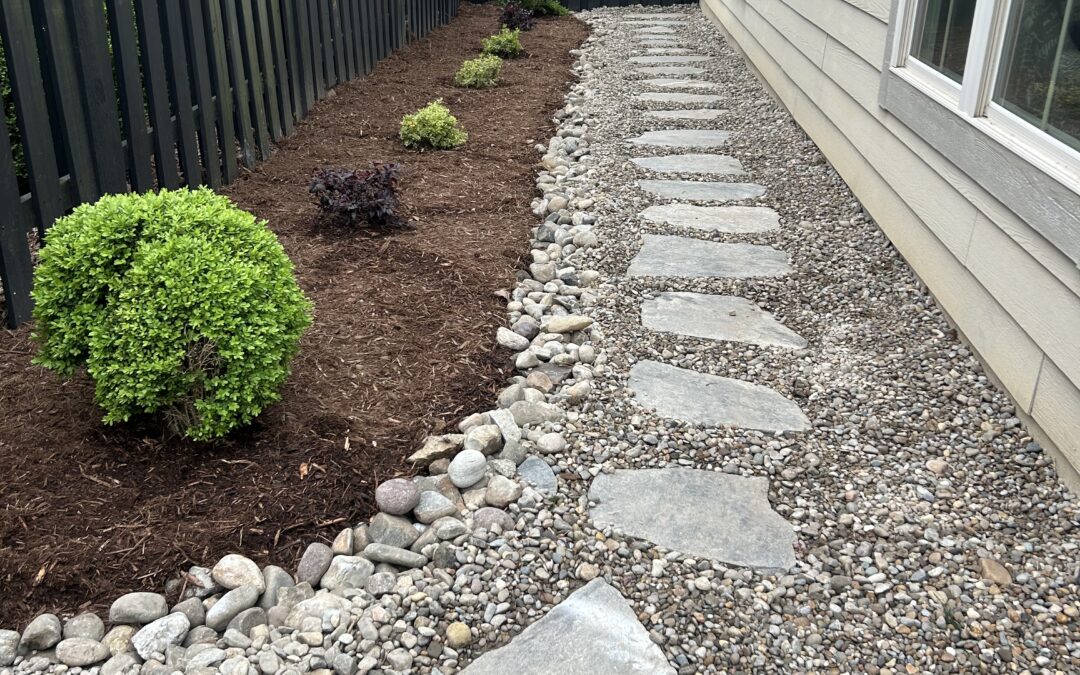
- Dry Creek Beds: For a more aesthetic approach, a dry creek bed can be a highly effective and beautiful solution. These landscaped channels, lined with gravel and rock, guide water naturally away from your home, often winding through the yard and emptying into a rain garden or a lower section of the property. You can see examples of how these integrate with a landscape on our drainage solutions page.
- Pipe Outs and Catch Basins: These systems collect surface water and channel it through pipes to a designated discharge area, preventing pooling.
Landscape Alterations
- Regrading: For significant and widespread sogginess, regrading your yard to ensure a proper slope away from your home’s foundation is a fundamental solution. This directs surface water to appropriate drainage points.
- Aeration and Top-Dressing: For compacted soils, aeration creates small holes that allow water, air, and nutrients to penetrate deeper. Following aeration with a top-dressing of compost improves soil structure over time.
- Raised Beds: In localized soggy areas, building raised garden beds with well-draining soil can elevate plantings above the waterlogged ground, offering both a solution and an attractive landscape feature.
Quick Fixes and Ongoing Maintenance
- Redirect Downspouts: Ensure your gutter downspouts are directing water several feet away from your home’s foundation. Splash blocks or extensions can help.
- Clear Drainage Paths: Keep any natural or installed drainage paths free of leaves, debris, and overgrown shrubbery.
- Plant Selection: Choose plants and grasses that are tolerant of wet conditions for areas where drainage is still a challenge. Tall fescue and Bermudagrass are examples of turfgrasses that can handle wet soil.
Integrating Drainage with Beautiful Landscape Design
Effective drainage doesn’t have to mean sacrificing beauty. In fact, thoughtful landscape design can seamlessly integrate drainage solutions, transforming a problematic area into an attractive feature. For instance, dry creek beds can be artistic elements, and rain gardens can introduce vibrant, water-loving plants that thrive in intermittently wet conditions. Retaining walls, commonly used to prevent soil erosion on slopes, can also be designed with integrated drainage to manage water runoff effectively while adding structural beauty to your property. Mr. Outdoor Living specializes in creating retaining and seating walls that are both functional and aesthetically pleasing.
Maintaining Your Drainage System for Lasting Results
Once your Charlotte soggy yard solutions are in place, regular maintenance is key to their long-term effectiveness. This includes:
- Periodically checking French drains and catch basins for blockages from leaves, silt, or debris.
- Ensuring downspout extensions remain clear and properly directed.
- Inspecting regraded areas for any new depressions or signs of erosion.
- Keeping your lawn aerated, especially if you have clay soil, to prevent recompaction.
- Monitoring plant health in rain gardens or wet-tolerant areas to ensure they are thriving and managing water as intended.
Proactive maintenance will help prevent minor issues from escalating into major problems, protecting your investment and ensuring a beautiful outdoor space for years to come.
Partnering with Local Experts for Your Outdoor Living Transformation
When it comes to comprehensive outdoor living solutions in Charlotte, especially for persistent drainage problems, partnering with experienced local professionals like Mr. Outdoor Living can make all the difference. Our team understands the unique soil conditions and weather patterns of the Carolina region. We offer tailored drainage solutions, from French drains and dry creek beds to strategic grading and retaining walls, designed to enhance both the functionality and beauty of your property. Our expertise extends beyond drainage to include patios, plantings, outdoor lighting, and more, all with the goal of “Making Homes More Beautiful®.”
Ready for a Dry and Beautiful Yard? Contact Mr. Outdoor Living
A soggy yard in Charlotte doesn’t have to be a permanent problem. With the right drainage solutions and expert installation, you can transform your outdoor space into a dry, functional, and inviting environment. Our family-owned business, with over 25 years of experience in the Carolinas, is committed to providing exceptional service and ensuring homeowner satisfaction. We are ready to help you reclaim your lawn and create the outdoor living space of your dreams.
Tired of a soggy yard? Visit our Contact Us page to find your Charlotte soggy yard solutions today!
Recent Comments