Screened Porch vs Covered Lanai Charlotte
Opening answer (BLUF)
Choosing between a screened porch and an open covered lanai in Charlotte is mainly a lifestyle design decision: do you want a more protected outdoor room for relaxed meals and soft seating, or a bright, open covered hub that flows straight into the yard and outdoor kitchen? A lanai is classically a roofed, open-sided outdoor living area (it may or may not include screens), while a screened porch prioritizes airflow with insect protection on multiple sides.[1] Both give you shade, furniture-friendly cover, and more hours outside across Charlotte’s long warm season and mild winters. The better choice is the one that matches how you host, unwind, and move between house, patio, and garden.
What “screened porch” and “covered lanai” mean in a Charlotte yard
Homeowners often use these terms loosely, so a clear definition helps the design conversation. In Hawaiian and broader residential usage, a lanai is a roofed outdoor living space next to the house. It can stay open on the sides, or it can be screened, depending on the project goals.[1] In Charlotte outdoor living work, when we say “open covered lanai,” we usually mean a solid roof, open sides (or only light architectural framing), and a strong visual connection to the landscape. When we say “screened porch,” we mean a roofed outdoor room with screening on two or more sides, planned as a comfortable hangout that still feels outdoors.
Both options sit in the same family as covered patios and porches. The difference that matters day to day is not the label. It is how much enclosure you want, how open the views feel, how furniture is protected, and how the space supports grilling, dining, lounging, or quiet morning coffee.
NC State Extension frames residential landscape design as arranging outdoor space for enjoyment, comfort, and a clear relationship between house and site.[2] That is exactly the right starting point for a screened porch vs covered lanai Charlotte decision. Lead with the experience you want, then let structure, materials, and detailing support that experience.
Charlotte’s four-season outdoor rhythm (and why both options shine)
Charlotte rewards outdoor living for much of the year. Official 1991-2020 U.S. Climate Normals from NOAA’s National Centers for Environmental Information describe typical temperature and precipitation patterns for stations across the country, including Charlotte Douglas International Airport (station USW00013881).[3][4]
For that Charlotte station, monthly average temperatures range from about 42°F in January to about 80°F in July, with July average daily maximums near 90°F. Precipitation is distributed through the year, with monthly normals roughly in the mid-3-inch to mid-4-inch range (for example, about 4.35 inches in August and about 3.13 inches in February).[4] In practical homeowner language: you get a long stretch of pleasant outdoor evenings, a warm peak summer, mild winters by national standards, and enough rainfall that a roof over seating and furnishings is a genuine comfort upgrade, not a luxury detail.
Plant hardiness context also supports year-round outdoor enjoyment. The USDA Plant Hardiness Zone Map is based on average annual extreme minimum winter temperature and is the national reference for what perennial plants are most likely to thrive.[5] As one Piedmont illustration, the North Carolina Botanical Garden notes that Chapel Hill moved from Zone 7b to Zone 8a on the 2023 map (average annual extreme minimums of 10 to 15°F), reflecting milder winters than the prior map for that community.[6] For outdoor rooms, that milder Piedmont winter profile means a well-designed porch or lanai can stay inviting from spring brunches through fall dinners, with winter afternoons that still feel worthwhile under a roof and out of the wind.
Urban Charlotte can also run a bit warmer than nearby open land. EPA notes that U.S. heat island research finds daytime urban temperatures about 1-7°F higher than outlying areas (and nights about 2-5°F higher), with larger differences often in humid eastern cities and denser neighborhoods.[7] A thoughtfully roofed outdoor room, paired with plantings and shade where they help, supports cooler, more comfortable outdoor time right at home.
Lifestyle payoff: comfort, views, airflow, and furniture protection
Screened porch: the protected outdoor living room
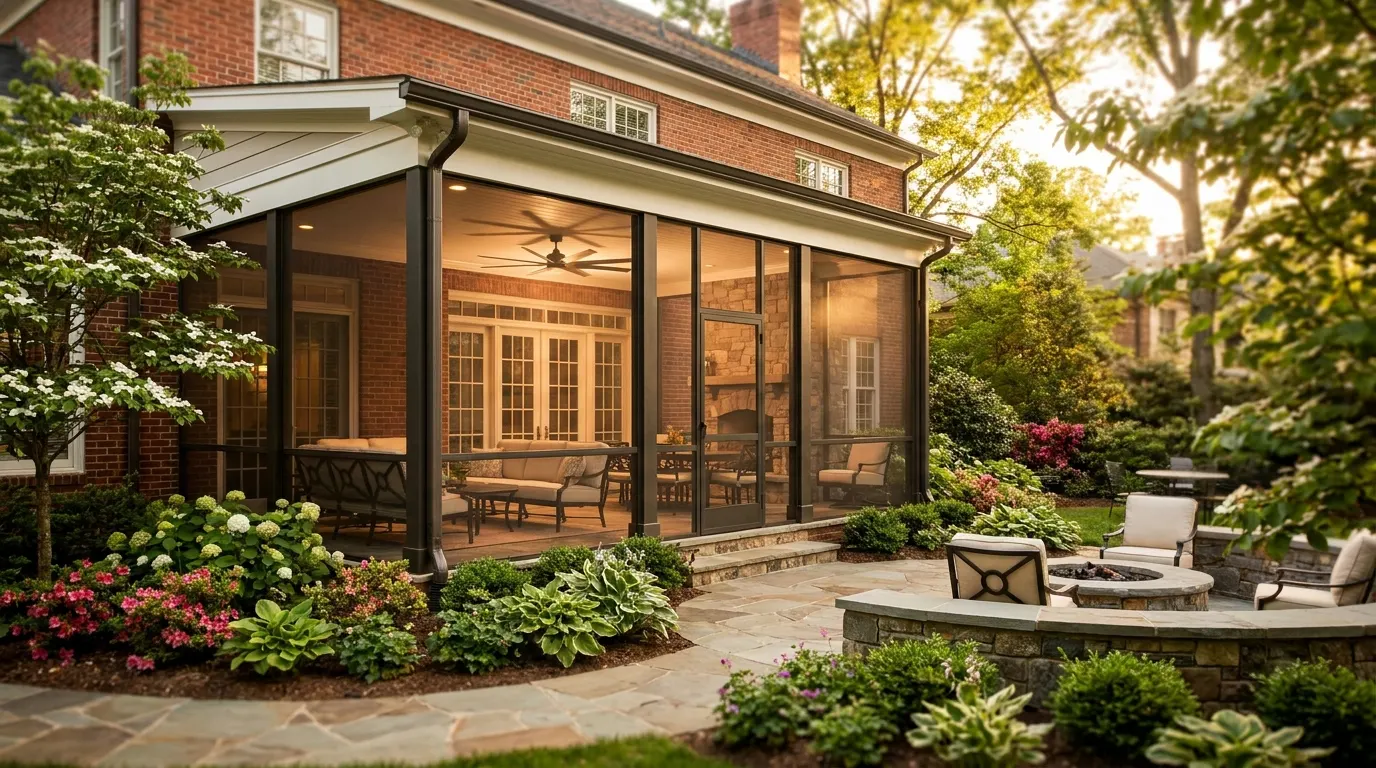
A screened porch is for homeowners who want the feeling of being outside with a calmer, more finished “room” character. Screening keeps the space open to breezes while reducing insect interruptions, which public health guidance consistently supports as a home-level barrier. EPA notes you can exclude mosquitoes from living areas by using window and door screens, alongside other protective habits.[8]
That protection is not only about health. It is about how the space feels for dinner with friends, a long conversation after work, or reading without constant distraction. Soft seating, dining tables, rugs made for covered outdoor use, and even a ceiling fan become more practical when the enclosure is designed as a true outdoor room.
Airflow remains a core benefit. Screens preserve cross-ventilation, and that connection to outdoor air is part of what makes porches feel restorative. EPA explains that natural ventilation (air movement through openings such as windows and doors) can help moderate indoor temperatures when used well and can reduce indoor pollutant levels by bringing in outdoor air.[9] The American Lung Association notes that bringing fresh outdoor air indoors supports healthier indoor air and states that outdoor air often has two to five times fewer pollutants than indoor air.[10] A screened porch sits in a sweet middle ground: more outdoor than a closed sunroom, more protected than an open patio, and still rich in natural air movement.
Furniture protection is another lifestyle win. A roof already shields seating from midday sun and many rain showers. Screens add a layer that reduces leaf litter, drifting pollen loads on cushions, and the “reset the furniture” chore after a breezy day. For families who want a always-ready lounge or dining corner, that readiness is a design payoff, not a maintenance lecture.
Open covered lanai: the expansive host’s platform
An open covered lanai is for homeowners who prioritize views, easy circulation, and a wide stage for gathering. With open sides, sightlines stay long: pool, garden, fire feature, or kids’ play zone can all remain in view. Guests move freely between cooking, dining, and lawn without passing through a screened doorway every time. If your outdoor life centers on an outdoor kitchen or bar, open sides often make grilling, serving, and mingling feel more natural.
Shade is still the headline comfort feature. A solid roof creates a cooler, more usable room than full sun, and that matters during Charlotte summers when average highs climb near 90°F.[4] Pair the roof with trees or plantings and you deepen the comfort. EPA’s heat island work highlights shade and vegetation as practical cooling strategies, and its trees-and-vegetation guidance explains how shade lowers surface temperatures and supports cooler outdoor conditions.[7][11]
Furniture still benefits from overhead cover. Cushions, dining sets, and outdoor cabinets stay more stable in rain and strong sun than on an open patio. The tradeoff is intentional: more exposure to wind-blown debris and insects than a screened room, in exchange for maximum openness and a stronger “extension of the yard” feeling.
Side-by-side design tradeoffs (decision lens)
| Design priority | Screened porch tends to favor | Open covered lanai tends to favor | | --- | --- | --- | | Hosting style | Sit-down meals, conversation, quieter evenings | Larger mix-and-mingle gatherings, open flow | | Views | Filtered views through screening | Uninterrupted yard and sky views | | Airflow | Strong breezes with insect barrier | Maximum open-air feel | | Furniture readiness | High (screens + roof) | High under roof, more open exposure | | Connection to yard | Soft threshold through a door or opening | Immediate step-out into landscape | | “Outdoor room” character | Stronger indoor-outdoor hybrid room | Stronger outdoor pavilion character |
Neither column is “better.” They simply describe different versions of year-round comfort.
How Charlotte seasons shape the choice
Spring and fall are peak outdoor living seasons here: comfortable temperatures, outdoor dining, and long evenings. Both porch and lanai excel. If you love lingering dinners and candlelight conversation, screening can make those hours feel more effortless. If you love garden walks, open sides keep the party connected to plantings and paths.
Summer is about shade, airflow, and evening use. Roof coverage is the shared foundation for both options. Screening can make dusk more enjoyable when mosquitoes are active, which aligns with EPA recommendations to use screens as part of a thoughtful outdoor living plan.[8] Fans, open planning for breeze paths, and light-colored ceilings under the roof can all enhance comfort without turning the space into a sealed room.
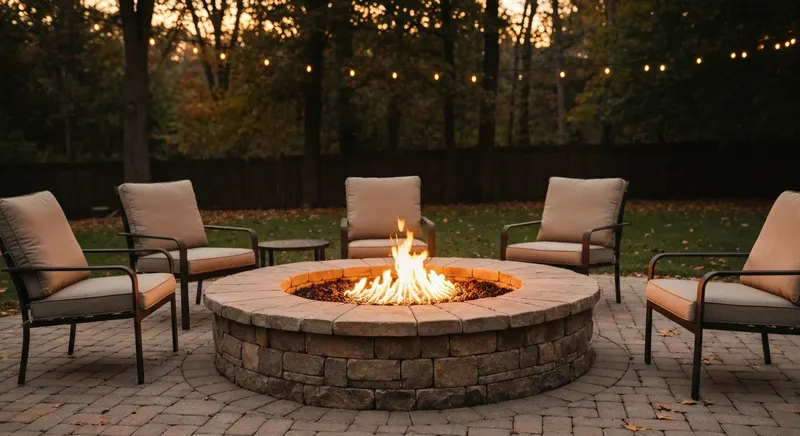
Winter in Charlotte is mild enough that a covered outdoor room remains inviting on many days. January average temperatures near the low 40s°F at the official Charlotte climate station still support afternoon reading nooks, weekend coffee, and holiday gatherings when you add a heater, a fire feature, layered textiles, and wind-aware orientation.[4] Screening can soften wind. An open lanai can feel more expansive on sunny winter afternoons. Both benefit from smart orientation relative to sun and prevailing breezes.
Year-round precipitation normals near three to four inches most months also support the shared value of a roof over primary seating and entertaining zones.[4] Cover is not only a summer story. It is a four-season hospitality feature.
Design details that make either option feel custom (not generic)
Start with how you actually live outside
Before screen panels or post spacing, list the moments you want most: Saturday brunch for six, quiet Monday evenings, game-day overflow, kids’ crafts after school, or a couple’s reading corner. NC State Extension’s landscape design process emphasizes identifying activities and use areas early so the layout supports real life.[2] That habit prevents an outdoor room that looks nice in photos but does not match your hosting style.
Plan the relationship to patio, kitchen, and garden
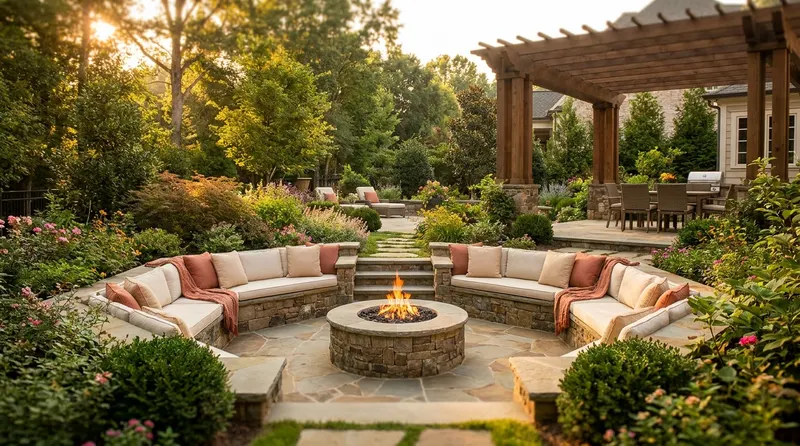
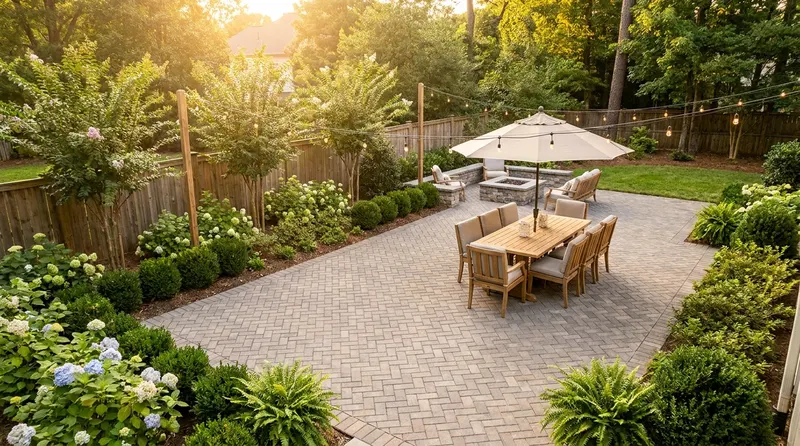
Many Charlotte homes pair a covered outdoor room with a broader hardscape. A screened porch can open to a patio for sun-seeking guests, while an open lanai can sit as the center bay of a larger patio composition. Outdoor kitchens often prefer open or partially open sides for smoke management and chef-to-guest interaction, with a screened lounge zone nearby for dessert and conversation. Hybrid plans are common and often the most satisfying.
Choose materials for comfort and longevity
Roof structure, ceiling finish, flooring, and screen type shape both beauty and upkeep. Composite or carefully detailed wood ceilings, stone or paver floors continuous with adjacent patio, and quality screening hardware keep the space feeling intentional. Lighting (overhead, wall, and path) extends usable hours in every season. Ceiling fans support airflow goals that complement natural ventilation principles described by EPA and the American Lung Association.[9][10]
Protect furniture without dulling style
If furniture protection ranks high, lean toward screening, deeper roof overhangs, and storage-friendly layouts. If open views rank highest, invest in performance outdoor fabrics and a furniture plan that still looks polished after a breezy afternoon. Either path can look refined. The materials simply follow the lifestyle priority.
Keep landscape and architecture in conversation
A screened porch can be framed with plantings that soften the enclosure and enhance privacy. An open lanai can borrow scenery from a lawn, water feature, or layered borders. USDA hardiness guidance, together with Piedmont examples such as Chapel Hill’s move into Zone 8a on the 2023 map, supports a broad plant palette for year-round structure and seasonal color around either room.[5][6]
Practical takeaways
- Decide first how you want to host and relax: protected outdoor room (screened porch) vs open covered gathering platform (open lanai).
- Treat both options as four-season assets in Charlotte’s mild winters and long warm season, using climate normals and hardiness context as planning background rather than as a reason to wait.[3][4][5][6]
- Prioritize roof shade for summer comfort, then choose screening level based on views, airflow preferences, and insect-free dining goals supported by EPA screen guidance.[4][8]
- Use natural airflow intentionally (orientation, openings, fans) so the space feels fresh, in line with outdoor-air and natural ventilation principles.[9][10]
- Connect the porch or lanai to patio, outdoor kitchen, and garden circulation so the whole yard works as one outdoor living plan.[2]
- Hybrid designs (open kitchen bay + screened lounge) often deliver the best of both lifestyles for Charlotte entertaining.
How we can help
At Mr. Outdoor Living, we design outdoor rooms around the way your household actually gathers, from covered dining and lounge zones to patios, kitchens, and fire features that support year-round use. If you are weighing a screened porch vs covered lanai for your Charlotte home, our team can walk the site with you, map lifestyle priorities, and sketch a layout that balances comfort, views, airflow, and furniture protection. Contact us to start a conversation about a custom outdoor living plan, or explore our patio and outdoor kitchen options to see how a covered room can anchor a larger backyard design.
Citations
- Wikipedia - "Lanai (architecture)" (2024)
- NC State Extension - "19. Landscape Design" (North Carolina Extension Gardener Handbook)
- NOAA National Centers for Environmental Information - "U.S. Climate Normals" (1991-2020)
- NOAA NCEI Climate Data Service - "1991-2020 monthly normals for Charlotte Douglas International Airport (USW00013881)" (1991-2020)
- USDA Agricultural Research Service - "2023 USDA Plant Hardiness Zone Map" (2023)
- North Carolina Botanical Garden (UNC) - "What does the change in Hardiness Zones mean for the Garden?" (2024-03-06)
- U.S. EPA - "What Are Heat Islands?" (accessed 2026)
- U.S. EPA - "Using Repellent Products to Protect against Mosquito-Borne Illnesses" (accessed 2026)
- U.S. EPA - "Improving Indoor Air Quality" (accessed 2026)
- American Lung Association - "Ventilation" (accessed 2026)
- U.S. EPA - "Using Trees and Vegetation to Reduce Heat Islands" (accessed 2026)
Planning your own outdoor living upgrade? Explore our outdoor living services in Charlotte.