Built-In Hardscape Planters vs. Tiered Softscape Beds: Elevating Dimension and Texture in Charlotte Backyards

Elevating Patio Architecture: Built-In Planters vs. Terraced Softscape Beds
A well-crafted outdoor living space relies on balance, structural permanence, and organic warmth. When designing a custom patio in Charlotte, North Carolina, homeowners often look for ways to add vertical interest, lush greenery, and refined boundaries to expansive stone or paver surfaces. Two approaches solve that problem especially well: built-in hardscape planters and tiered softscape garden beds. Both break up horizontal lines, frame functional outdoor zones, and create a welcoming sanctuary.
Each option brings vibrant foliage, texture, and visual impact to your outdoor living environment, yet they offer distinct aesthetic profiles and structural advantages. Understanding how each approach integrates with your patio architecture helps you choose the perfect focal anchor for your backyard.
Option 1: Built-In Hardscape Planters (Architectural Definition and Masonry Cohesion)
Built-in hardscape planters are permanent, raised masonry structures integrated directly into your patio layout. Constructed from high-performance concrete pavers, stacked block, or natural stone veneer, built-in planters serve as direct extensions of your hardscape footprint. They provide crisp geometric lines, defining the edges of living areas while holding elevated soil beds at convenient working heights.
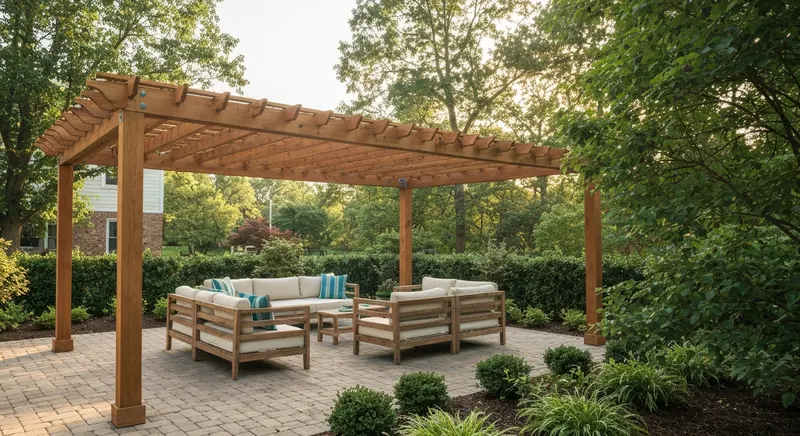
Because built-in planters share materials and craftsmanship with adjacent retaining and seating walls, they create a cohesive, custom-built look across your entire outdoor living area. A stone planter box can flank an outdoor kitchen, frame a patio entry, or wrap around a sunken seating area, giving your hardscape an intentional, architectural feel.
From a planting perspective, raised masonry containers offer distinct benefits. Elevated soil levels protect root zones from lawn foot traffic and surface water pooling, and they lift plantings to a comfortable working height for pruning and seasonal changeouts. Compact evergreens suit these enclosures particularly well. Littleleaf boxwood (Buxus microphylla) is a dense evergreen shrub that, according to the NC State Extension Gardener Plant Toolbox, prefers moist, cool, well-drained soil and adapts to a variety of soil types. That makes it a dependable choice for a planter box built with proper internal drainage layers and a loose, nutrient-rich soil mixture. Because its roots are shallow, mulch generously to help the bed hold moisture through a Carolina summer.
Option 2: Tiered Softscape Garden Beds (Natural Transitions and Organic Softness)
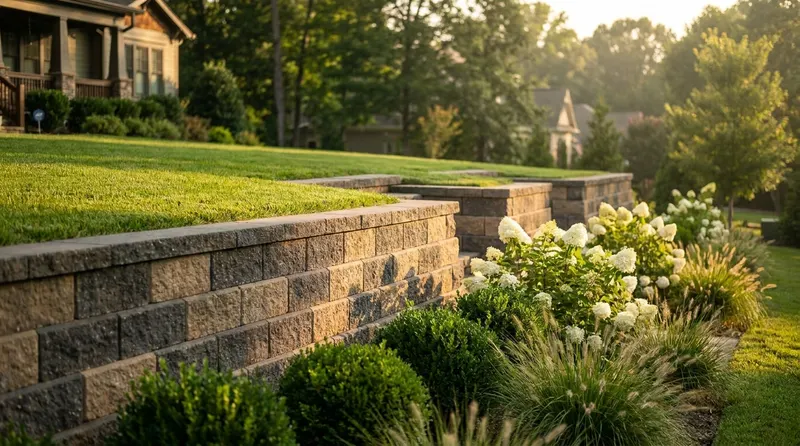
Tiered softscape garden beds offer a softer, more fluid approach to adding height and dimension around your outdoor living space. By building cascading soil terraces retained by low stone ledges, timber borders, or natural boulder accents, terraced beds soften the transition between hard paved surfaces and lush lawn perimeters.
Terracing allows you to create multi-level planting zones that step gracefully down a sloped yard or border a flat outdoor living surface. Raised and terraced beds are also a practical answer when the existing ground works against you. Clemson University Cooperative Extension notes that raised beds provide a tremendous amount of flexibility, and that sites with steep slopes, poor drainage, or rocky, shallow, or low quality soil are ideal candidates, a description that fits plenty of Charlotte backyards. Integrating tiered garden beds alongside custom paver patios creates a natural botanical frame that feels deeply rooted in the surrounding landscape.
Tiered softscape beds also accommodate deeper, broader root systems than enclosed masonry boxes, because plants sit in contact with the underlying subsoil rather than a fixed volume of imported mix. That extra depth suits larger specimen shrubs and small ornamental trees. Chinese fringe flower (Loropetalum chinense) is one Charlotte favorite: the NC State Extension Gardener Plant Toolbox describes it as a broad-leaved, evergreen or semi-evergreen shrub or small tree that grows best in rich, moist, well-drained, acidic soils, and its colored foliage reads beautifully against gray stone. The layered structure lets you mix flowering perennials, ornamental grasses, and structural evergreens for year-round color and rich seasonal texture.
Key Comparison: Soil Volume, Drainage Infrastructure, and Maintenance Flow
Choosing between built-in planters and tiered softscape beds involves evaluating structural requirements, soil management, and ongoing care. Both systems require thoughtful planning to ensure plant health and long-term hardscape stability.
Soil Containment and Root Space
Built-in planters enclose a fixed volume of soil elevated above ground level. While this contained environment prevents invasive weed encroachment and soil erosion, root volume is naturally limited by the container dimensions. Selecting plant species with compact or non-invasive root habits is essential to avoid root binding over time. In contrast, tiered softscape beds offer unrestricted depth, enabling larger shrubs and small ornamental trees to reach their full mature potential.
Drainage and Water Management
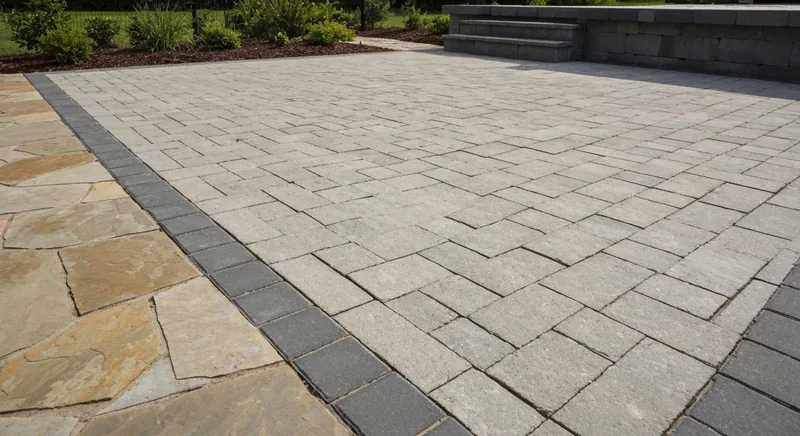
Proper water movement is critical for both design choices. Built-in hardscape planters must feature dedicated drainage ports, filter fabric lining, and a gravel sub-base beneath the soil medium. Without proper drainage outlets, trapped water can saturate plant roots and exert hydrostatic pressure against masonry walls. Tiered softscape beds rely on natural soil percolation, supplemented by gentle surface contouring to prevent standing water. Surrounding hardscape surfaces benefit from nearby permeable paver systems or gravel channels. The U.S. Environmental Protection Agency explains that permeable materials, including interlocking pavers, allow rain and snowmelt to seep through the surface down to underlying layers of soil and gravel, which reduces runoff from the paved area and helps filter out pollutants that contribute to water pollution.
Irrigation and Maintenance Needs
Because raised masonry planters are elevated and exposed on all sides, the soil inside them dries out faster than ground-level beds during hot Carolina summers. Integrating micro-drip irrigation lines directly into the planter masonry ensures consistent moisture delivery without visible hoses. Tiered beds retain ground moisture more effectively, requiring less frequent watering once plants are fully established. Feeding the soil matters just as much as watering it. Clemson University Cooperative Extension advises that organic material is constantly decomposing, so it is wise to replenish raised beds with compost regularly. Working compost into the upper soil layer each season keeps the growing medium open, healthy, and productive.
Designing for Charlotte Climates: Soil Preparation and Plant Selection
Charlotte sits in the Carolina Piedmont, where clay soils are common. They hold nutrients well but tend to compact and drain slowly when wet. Whether building elevated hardscape planter boxes or terraced softscape beds, amending native soil is key to growing healthy, vibrant specimens.
When filling built-in planters, avoid using dense native clay alone. Instead, blend coarse sand, organic compost, and light topsoil to form an airy, nutrient-dense growing mix that encourages deep root penetration and rapid drainage. For tiered softscape beds, incorporate organic soil conditioners into the upper six to eight inches of native soil to improve aeration while retaining moisture.
Thoughtful plant selection brings your design to life. Combining low-maintenance structural evergreens with weeping groundcovers and seasonal blooms creates dynamic visual contrast against stone and paver backdrops. Integrating carefully chosen custom plantings elevates your patio from a simple paved surface into a thriving outdoor retreat.
Selecting the Ideal Vertical Accent for Your Outdoor Sanctuary
Both built-in hardscape planters and tiered softscape beds bring elegance, depth, and personality to Charlotte backyards. Built-in planters offer architectural precision, clean masonry integration, and formal elegance ideal for urban spaces or structured patio layouts. Tiered softscape beds provide organic warmth, generous planting capacity, and smooth transitions for naturalistic outdoor living environments.
Combining elements of both designs often yields the most stunning results. A pair of built-in stone planter pillars at a patio doorway, framed by cascading tiered garden beds along the outer patio perimeter, delivers structural elegance alongside lush botanical beauty. The Mr. Outdoor Living design team can walk your property, read how water moves across it, and recommend the combination that suits your grade, your soil, and the way you actually use the space.
Transform Your Outdoor Living Space
Have more questions or want to get in touch? Visit our Contact Us page. We look forward to hearing from you. Prefer to speak with a member of our team? Give us a call. We are available during our business hours to assist you. Have a detailed question or prefer to write to us? Send us an email. Our team will get back to you as soon as possible.
Citations
- Clemson University Cooperative Extension Service - HGIC 1257 Raised Beds Factsheet
- NC State Extension Gardener Plant Toolbox - Loropetalum chinense Plant Profile
- U.S. Environmental Protection Agency (EPA) - Soak Up the Rain: Permeable Pavement
- NC State Extension Gardener Plant Toolbox - Buxus microphylla Plant Profile
Planning your own outdoor living upgrade? Explore our outdoor living services in Charlotte.